Live Cell Imaging Market
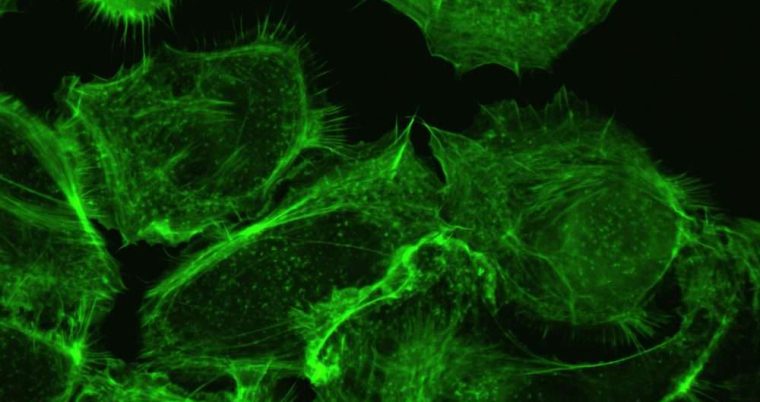
Visiongain has published a new report entitled Live Cell Imaging Report 2024-2034: Forecasts by Product Type (Instruments, Consumables, Software, and Services), by Technology (Fluorescence Recovery After Photobleaching (FRAP), Fluorescence Resonance Energy Transfer (FRET), High Content Screening (HCS), Live Cell Fluorescence Microscopy, and Others), by Application (Cell Biology, Stem Cell, Drug Discovery, and Others), by End-User (Pharmaceutical & Biotechnology Companies, Academic & Research Institutes, Contract Research Organizations (CROs), Hospitals & Diagnostic Laboratories, and Others) AND Regional and Leading National Market Analysis PLUS Analysis of Leading Companies.
The global live cell imaging market is estimated at US$3,177.0 million in 2024 and is projected to grow at a CAGR of 11.7% during the forecast period 2024-2034.
Growing Applications in Biomedical Research
The increasing adoption of live cell imaging across diverse fields of biomedical research is driving significant growth in the market, fuelled by its transformative impact on understanding complex biological processes at the cellular and molecular levels. In cancer biology, live cell imaging plays a crucial role in studying tumour development, progression, and response to therapies. Researchers use advanced imaging techniques to observe cancer cells in real-time, investigating phenomena such as metastasis, angiogenesis, and drug resistance. This capability helps in identifying potential targets for new anticancer drugs and assessing treatment efficacy in preclinical models. Neuroscience benefits greatly from live cell imaging by enabling the visualization of neuronal activity, synapse formation, and communication between brain cells. For example, Leica Microsystems has introduced its flagship product named “Stellaris” mainly used for live cell imaging for various applications including oncology, CNS diseases, genetic disorders and many others.
How will this Report Benefit you?
Visiongain’s 307-page report provides 109 tables and 186 charts/graphs. Our new study is suitable for anyone requiring commercial, in-depth analyses for the live cell imaging market, along with detailed segment analysis in the market. Our new study will help you evaluate the overall global and regional market for Live Cell Imaging. Get financial analysis of the overall market and different segments including product type, technology, application, and end-user and capture higher market share. We believe that there are strong opportunities in this fast-growing live cell imaging market. See how to use the existing and upcoming opportunities in this market to gain revenue benefits in the near future. Moreover, the report will help you to improve your strategic decision-making, allowing you to frame growth strategies, reinforce the analysis of other market players, and maximise the productivity of the company.
What are the Current Market Drivers?
Growing Investment from Academic Institutions and Biotechnology Companies
Universities and research institutions frequently receive substantial funding from both public and private sources to advance live cell imaging techniques. This funding plays a crucial role in several key areas. Firstly, it enables the acquisition of advanced imaging equipment, such as high-resolution microscopes, specialized cameras, and other sophisticated tools essential for capturing detailed images of live cells. This state-of-the-art equipment is often prohibitively expensive, making external funding indispensable. Secondly, these funds support the development and refinement of new methodologies for live cell imaging. Researchers are able to explore and innovate, creating more effective techniques for visualizing and analyzing cellular processes in real-time. For instance, in August 2023, the University of Cambridge received an ERC grant to develop novel imaging techniques for studying cellular dynamics in real-time. This grant supports both the acquisition of cutting-edge imaging systems and the development of new methodologies to enhance image resolution and speed.
Rising Investments in Healthcare
Increased funding and investments in healthcare infrastructure, research and development, and biotechnology are significantly propelling the growth of the live cell imaging market. Governments, private investors, and pharmaceutical companies are pouring resources into these areas to foster innovation and improve healthcare outcomes. This influx of capital supports the development of advanced imaging technologies, enabling more precise and detailed observations of live cells. Enhanced funding facilitates the establishment of state-of-the-art laboratories equipped with the latest live cell imaging equipment, thereby expanding research capabilities. For instance, the Netherlands Cancer Institute, in collaboration with the University of Amsterdam and other universities, has received €15 million (US$16.29 million) in funding from NWO as part of the NL-BioImaging consortium. This partnership aims to make the most advanced types of microscopy widely accessible to researchers.
Where are the Market Opportunities?
Integration with Artificial Intelligence and Machine Learning
The incorporation of AI and machine learning algorithms in live cell imaging presents transformative opportunities for the field, offering significant potential for automated image analysis and enhancing the accuracy and speed of data interpretation. AI-driven tools are capable of identifying intricate patterns, tracking dynamic cellular processes, and providing predictive analytics, thus making complex datasets more manageable and accelerating discoveries across various research domains. One of the primary benefits of AI and machine learning in live cell imaging is the ability to automate the analysis of large datasets. Traditional manual analysis of live cell imaging data can be labour-intensive, time-consuming, and prone to human error. AI algorithms, however, can process vast amounts of data rapidly and consistently, identifying subtle changes and patterns that may be missed by the human eye. This automation significantly reduces the workload on researchers, allowing them to focus on experimental design and interpretation rather than data processing. For instance, Incucyte® AI Confluence Image Analysis Workflow is a powerful tool for automated, which is launched by Sartorius, it provides real-time monitoring and analysis of cell confluence in live-cell imaging.
Development of Affordable Imaging Systems
The demand for cost-effective imaging solutions that maintain high performance is growing, driven by the need to make advanced imaging technologies accessible to a broader range of researchers, especially those in smaller institutions or developing regions. Innovations aimed at reducing the cost of advanced imaging systems without compromising quality are crucial in democratizing access to cutting-edge research tools and fostering scientific advancements globally. One major approach to achieving cost-effective imaging solutions is the development of open-source microscopy platforms. These platforms leverage community-driven innovations and collaborative efforts to create high-quality imaging systems at a fraction of the cost of commercial counterparts.
Competitive Landscape
The major players operating in the live cell imaging market are Bio-Rad Laboratories, BioTek Instruments, Inc.; Bruker Corporation Carl Zeiss AG; GE Healthcare Life Sciences; Hamamatsu Photonics K.K.; Leica Microsystems GmbH; Molecular Devices, LLC; NanoEnTek Inc.; Nikon Instruments Inc.; Olympus Corporation; Oxford Instruments plc; PerkinElmer Inc.; Thermo Fisher Scientific Inc.; Merck KGaA. These major players operating in this market have adopted various strategies comprising M&A, investment in R&D, collaborations, partnerships, regional business expansion, and new product launch.
Recent Developments
- On 26th June 2024, Nikon introduced newly developed imaging technology for greatly accelerated speed and efficiency in research for biotechnology.
- On 3rd June 2024, Bruker Launched Transformative neofleXTM MALDI-TOF system for spatial biology mass spec imaging (MSI) applications.
Notes for Editors
If you are interested in a more detailed overview of this report, please send an e-mail to contactus@visiongain.com or call +44 207 336 6100.
About Visiongain
Visiongain is one of the fastest-growing and most innovative independent media companies in Europe. Based in London, UK, Visiongain produces a host of business-to-business reports focusing on the automotive, aviation, chemicals, cyber, defence, energy, food & drink, materials, packaging, pharmaceutical and utilities sectors.
Visiongain publishes reports produced by analysts who are qualified experts in their field. Visiongain has firmly established itself as the first port of call for the business professional who needs independent, high-quality, original material to rely and depend on.
