Visiongain Publishes Offshore Support Vessel Market Report 2024-2034
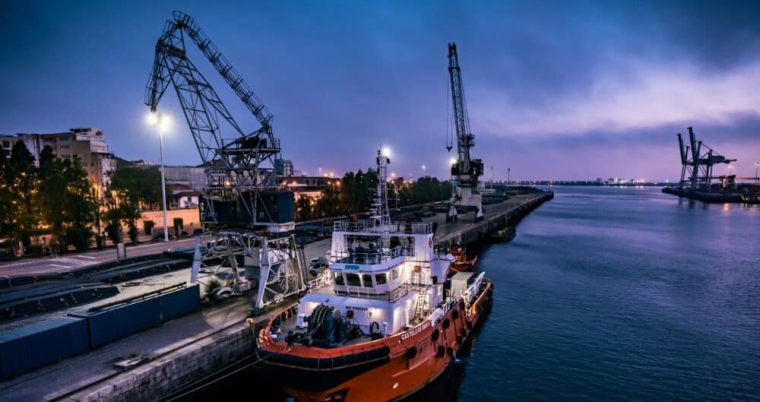
Visiongain Publishes Offshore Support Vessel Market Report 2024-2034
Visiongain has published a new report entitled Offshore Support Vessel Market Report 2024-2034: Detailed projections for the global offshore support vessel market, valued at US$23.0 billion in 2023 with a CAGR of 6.7% during the forecast period 2024-2034.
Advancements in Offshore Support Vessel Technology
Advancements in offshore support vessel technology, including improvements in vessel design, propulsion systems, navigation equipment, and onboard systems, are enhancing the efficiency, safety, and capabilities of offshore operations. Modern offshore support vessels are equipped with dynamic positioning systems, crane and lifting equipment, firefighting and pollution control systems, and accommodation facilities to support a wide range of offshore activities in harsh marine environments. As technology continues to evolve, the market for specialized offshore support vessels tailored to specific operational requirements is expected to expand.
How has COVID-19 had a significant negative impact on the Offshore Support Vessel Market?
The COVID-19 pandemic has had a significant impact on the offshore support vessel (OSV) market, causing disruptions across various segments of the industry. As countries implemented lockdowns and travel restrictions to curb the spread of the virus, offshore operations faced challenges related to crew mobility, project delays, and demand fluctuations.
One of the most immediate impacts of the pandemic was the restriction on crew changes and travel, leading to logistical challenges for OSV operators. Crew members faced difficulties in embarking and disembarking vessels, resulting in extended rotations and crew fatigue. Additionally, quarantine measures and health screenings added complexity to crew transfers, leading to delays in vessel operations and increased operational costs.
Furthermore, the economic downturn triggered by the pandemic resulted in reduced demand for offshore support services, particularly in the oil and gas sector. Many exploration and production projects were postponed or cancelled as oil prices plummeted and companies sought to conserve capital. The decline in drilling activity and exploration projects directly impacted the demand for OSVs, leading to vessel lay-ups, idle fleets, and reduced charter rates.
What are the Current Market Drivers?
Focus on Operational Efficiency and Cost Optimization
In an increasingly competitive offshore market, operators are focusing on improving operational efficiency and cost optimization to remain competitive and maximize profitability. Offshore support vessels play a critical role in supporting cost-effective and efficient offshore operations by providing timely and reliable transportation, logistics, and support services. By investing in modern, fuel-efficient vessels with reduced environmental footprint and optimized operational performance, operators can minimize downtime, reduce fuel consumption, and lower operating costs, contributing to overall project economics and competitiveness.
Offshore Field Development and Decommissioning Activities
Offshore field development and decommissioning activities, including the installation, hookup, and commissioning of offshore platforms, pipelines, and infrastructure, as well as the decommissioning and removal of obsolete assets, require specialized support vessels and services. Offshore support vessels are essential for transporting personnel, equipment, and materials to and from offshore installations, providing towing, anchoring, and mooring services, and assisting in subsea operations such as pipeline laying, cable installation, and well intervention. As existing offshore fields mature and new fields are developed, the demand for offshore support vessels for field development and decommissioning activities is expected to remain robust.
Where are the Market Opportunities?
Offshore Decommissioning Opportunities for the OSV Market
The offshore decommissioning sector presents significant opportunities for the offshore support vessel (OSV) market. As offshore oil and gas fields reach the end of their productive life cycles, there is a growing need for decommissioning activities to dismantle and remove platforms, rigs, and associated infrastructure. This process involves a range of specialized tasks, including well plugging, structure removal, and environmental remediation, all of which require the support of OSVs.
OSVs play a crucial role in offshore decommissioning operations by providing various services such as transportation, accommodation, crane operations, and logistical support. These vessels are equipped with dynamic positioning systems, heavy-lift capabilities, and specialized equipment necessary for handling the complex tasks involved in decommissioning projects. Additionally, OSVs can assist in the transfer of personnel, equipment, and materials to and from decommissioning sites, ensuring efficient and safe operations.
Collaboration and Partnership with Other Industry Stakeholders Opportunities
Collaboration and partnership with other industry stakeholders present significant opportunities for companies operating in the offshore support vessel (OSV) market. By joining forces with complementary businesses, such as oil and gas companies, renewable energy developers, and technology firms, OSV operators can leverage their collective expertise, resources, and networks to enhance operational efficiency, reduce costs, and explore new market segments.
One of the primary advantages of collaboration is the ability to pool resources and share risks associated with large-scale projects. For example, partnering with oil and gas majors allows OSV companies to secure long-term contracts for offshore exploration and production activities. These partnerships often involve joint ventures or consortiums, enabling OSV operators to access lucrative contracts while spreading the financial burden and mitigating risks.
Recent Developments
- 06 Feb 2024, Siem Offshore has signed new contracts with Helix Energy Solutions for well intervention vessels, “Siem Helix 1” and “Siem Helix 2,” marking a major turning point for the company. These contracts, which total USD 682 million, show partners’ faith in the abilities and their strong dedication to company’s long-term success in the offshore sector.
- 26 Jan 2024, The shipowner Solstad Offshore has added six more remotely operated vehicles (ROVs) to its fleet, thereby increasing its fleet offering. The goal is to provide clients with a vessel that is even more comprehensive, complete with ROV capabilities for subsea operations.
- 17 Jan 2024, A.P. Moller – Maersk (Maersk) and Hapag-Lloyd AG (Hapag-Lloyd) have inked a contract for a new, long-term operating partnership known as “Gemini Cooperation,” which is set to begin in February 2025. The goal is to provide an ocean network that is linked, adaptable, and dependable beyond industry standards.
Notes for Editors
408-page report provides 128 tables and 191 charts/graphs. Forecasts by Application (Deepwater, Shallow Water), by Material (Steel, Aluminium, Composite Materials), by Vessel Size (Small Vessels, Medium Vessels, Large Vessels, Very Large Vessels), by End-use (Oil and Gas, Offshore Wind, Offshore Patrolling, Research and Surveying, Other), by Type (Anchor-handling Tug Supply Vessels, Platform Support Vessels, Multipurpose Support Vessels, Standby and Rescue Vessels, Crew Vessels, Other) AND Regional and Leading National Market Analysis PLUS Analysis of Leading Companies AND COVID-19 Impact and Recovery Pattern Analysis.
If you are interested in a more detailed overview of this report, please send an e-mail to contactus@visiongain.com or call +44 207 336 6100.
