Global Port Infrastructure Market 2026-2036: Vessel Upsizing and Automation Drive 5.1% CAGR
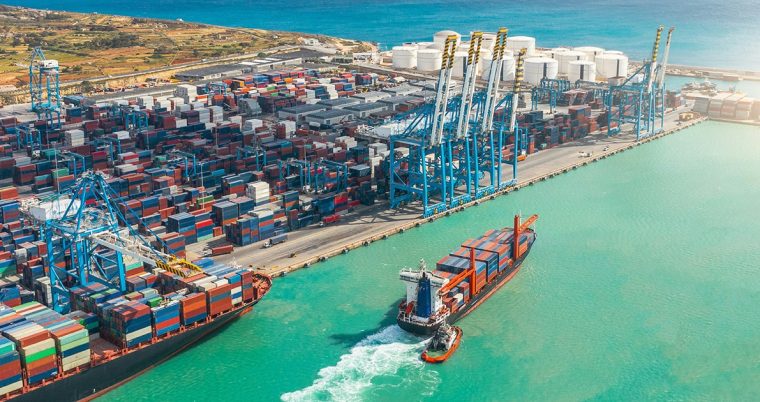
Visiongain’s latest report, Port Infrastructure Market Report 2026-2036, provides detailed forecasts and strategic analysis across technology level, infrastructure type, project type, component, port type, and regional markets, including trade dynamics and competitive positioning.
The global port infrastructure market is projected to grow from US$178.50 billion in 2026 to US$292.68 billion by 2036, at a CAGR of 5.1% during the forecast period. The market is expected to add over US$114 billion in value, driven by vessel upsizing, automation adoption, and port decarbonisation investments.
Key Market Insights
- The global port infrastructure market will reach US$292.68 billion by 2036, growing at a CAGR of 5.1%
- Growth is driven by larger vessel sizes, automation and digitalisation, and energy transition investments
- Key regions: North America, Europe, Asia Pacific, Latin America, Middle East & Africa
- Leading companies: Adani Ports & SEZ, APM Terminals, DP World, PSA International, Hutchison Port Holdings
- Key trend: Ports evolving into integrated logistics and energy hubs
Download Free Sample Report (incl. forecasts, market data, and methodology)
Market Drivers
Vessel Upsizing and Peak Flow Pressure Driving Infrastructure Expansion
Larger container vessels and concentrated call patterns are increasing peak throughput pressure on ports. This is driving investment in berth expansion, deeper drafts, crane capacity, and yard optimisation to maintain competitiveness and avoid congestion bottlenecks.
Automation and Digital Operations Becoming Service-Level Requirements
Terminal automation and digital orchestration are now essential for predictable operations. Ports are investing in automated handling systems, remote operations, and integrated software platforms to improve efficiency, reduce variability, and meet shipper expectations.
Technology & Innovation
Next-Generation Automated and Digitised Terminals
Ports are transitioning towards integrated systems combining automation, data platforms, and remote control capabilities. This shift supports higher throughput, improved reliability, and scalable operations across both new and existing terminals.
Trade & Supply Chain Dynamics
Global trade dynamics are directly influencing port infrastructure demand, with tariffs and geopolitical tensions reshaping cargo flows and investment priorities.
The market relies on global trade volumes across containerised and bulk goods, making it sensitive to tariff policies and supply chain realignments. Disruptions in key routes, including the Strait of Hormuz, are increasing volatility in vessel traffic and port utilisation.
At the same time, shifting manufacturing bases towards Southeast Asia, India, and Mexico are creating new trade corridors and driving investment in alternative port hubs.
Commercial Impact:
- Cost pressure: Reduced throughput in affected regions impacts port revenues and utilisation
- Supply chain shifts: Trade routes are diversifying towards emerging markets
- Margin implications: Investment cycles are becoming more volatile and region-specific
- Competitive positioning: Ports aligned with new trade flows gain long-term advantages
Market Opportunities
Port as an Energy Hub: Electrification and Shore Power Infrastructure
Ports are investing in shore power, electrified equipment, and grid upgrades to support decarbonisation. These developments create new revenue streams while improving environmental performance and attracting environmentally focused shipping partners.
Scalable Automation for Mid-Sized Ports
Beyond large automated hubs, mid-sized ports are adopting modular automation solutions. Remote operations, equipment upgrades, and software-led optimisation offer cost-effective ways to improve productivity without full-scale redevelopment.
Competitive Landscape
The major players operating in the port infrastructure market include Adani Ports & SEZ, APM Terminals, Bechtel, China Communications Construction Company, China Merchants Port Holdings, DP World, Hutchison Port Holdings, PSA International, Port of Rotterdam Authority, and Transnet National Ports Authority.
These companies are focusing on expansion, partnerships, infrastructure modernisation, and digital integration to strengthen their global positions.
Recent Developments
- January 2026 – Essar Group expanded port and logistics capabilities, including new rail terminal integration to improve hinterland connectivity
- February 2026 – APM Terminals initiated operations at Port of Balboa, focusing on system upgrades and workforce training
- February 2026 – Adani Ports partnered with Port of Marseille Fos to strengthen India–EU trade connectivity
- February 2026 – DP World and APM Terminals expanded operations at Jeddah Islamic Port through joint investment
Frequently Asked Questions
What is driving growth in the port infrastructure market?
Growth is driven by vessel upsizing, automation adoption, and increasing demand for efficient, high-capacity port operations.
How are trade and supply chain dynamics affecting the market?
Tariffs and geopolitical disruptions are reshaping trade routes, creating both volatility and new infrastructure investment opportunities.
Who are the leading companies in the market?
Key players include DP World, APM Terminals, PSA International, Adani Ports & SEZ, and Hutchison Port Holdings.
Download Free Sample Report (incl. forecasts, market data, and methodology)
Related Reports
Hydrogen Infrastructure Market Report 2026-2036
Hydrogen Storage Tanks and Transportation Market Report 2026-2036
Green Hydrogen Market Report 2025-2035
About Visiongain
Established in 1998, Visiongain is an independent publisher of analyst-led market intelligence, delivering data-driven research, forecasts, and strategic insight across global industries and emerging markets. Visiongain supports evidence-based decision-making for investment, procurement, and long-term strategic planning.
Media Contact
press@visiongain.com
+44 (0)20 7336 6100
www.visiongain.com


