Small Modular Reactor (SMR) Market
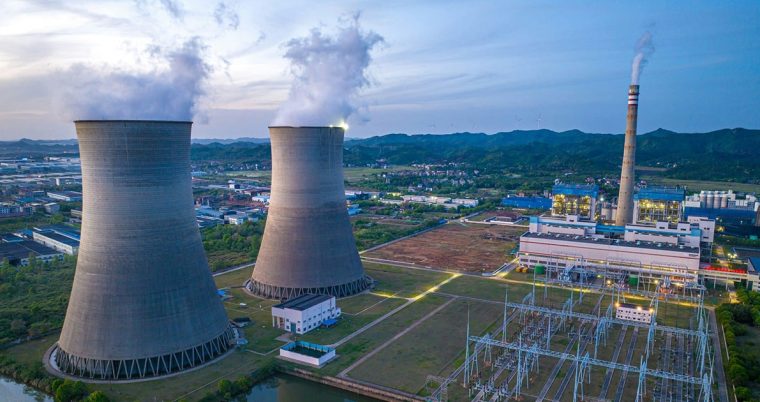
Visiongain has published a new report entitled Small Modular Reactor (SMR) Market Report 2025-2035 (Including Impact of U.S. Trade Tariffs): Forecasts by Deployment (Land-based Plant, Marine-based Plant), by Design (Twin Reactor Design, Other Reactor Design, Integral Reactor Design), by Coolant Type (Molten Salt Reactors (MSR), Gas-Cooled Reactors (GCR), Liquid Metal Reactors (LMR), Other), by Type (Pressurised Water Reactor (PWR), Pressurised Heavy Water Reactor (PHWR), High-Temperature Reactor (HTR), Fast Neutron Reactor (FNR), Other), by End-use (Power Generation, Desalination, Process Heat Supply, Industrial Applications, District Heating, Other) AND Regional and Leading National Market Analysis PLUS Analysis of Leading Companies.
The global small modular reactor (SMR) market is estimated at US$64,406.2 million in 2025 and is projected to grow at a CAGR of 8.8% during the forecast period 2025-2035.
Impact of US Trade Tariffs on the Global Small Modular Reactor (SMR) Market
The introduction or escalation of U.S. trade tariffs on critical components and materials for small modular reactors (SMRs) is expected to have varied effects on the global small modular reactor market, depending on the recovery trajectory of global supply chains and economic conditions. As small modular reactors rely on high-tech components such as pressure vessels, control systems, specialized steel, and nuclear-grade fuels, any disruption in cost or availability of these imports can significantly affect project timelines, investment flows, and deployment strategies across regions. The impact of tariffs will also be influenced by the resilience of domestic manufacturing, the presence of strategic partnerships, and the pace of regulatory approvals.
Tariff Impact: V-shaped Recovery
In a V-shaped recovery scenario, the global small modular reactor market experiences a sharp but short-term disruption from U.S. tariffs. Supply chain realignments occur rapidly as companies diversify sourcing and leverage domestic or allied nation manufacturing capabilities. Project delays are minimal, and confidence in the long-term viability of SMR investments remains strong. Market growth rebounds swiftly as costs stabilize, aided by robust government support for nuclear innovation and clean energy. The U.S. continues to lead in SMR development, and global demand recovers quickly with modest tariff-related inflationary impact.
Enhanced Safety Features and Public Perception Improvements
A fundamental advantage of SMRs lies in their passive safety systems and advanced reactor designs, which significantly reduce the risk of accidents compared to traditional nuclear reactors. These safety enhancements are reshaping public perception and increasing political acceptability of nuclear power. SMRs are designed to automatically shut down and self-cool without external intervention in emergency scenarios, addressing long-standing concerns associated with nuclear energy. Companies like NuScale Power and Rolls-Royce SMR have emphasized safety in their reactor designs, securing early regulatory approvals in the U.S. and U.K., respectively. As public confidence in nuclear safety grows, particularly in the post-Fukushima era, SMRs are gaining broader acceptance, enabling smoother regulatory pathways and greater community support for new installations.
How will this Report Benefit you?
Visiongain’s 415-page report provides 127 tables and 196 charts/graphs. Our new study is suitable for anyone requiring commercial, in-depth analyses for the small modular reactor (SMR) market, along with detailed segment analysis in the market. Our new study will help you evaluate the overall global and regional market for small modular reactor (SMR). Get financial analysis of the overall market and different segments including deployment, design, coolant type, type and end-use, and capture higher market share. We believe that there are strong opportunities in this fast-growing small modular reactor (SMR) market. See how to use the existing and upcoming opportunities in this market to gain revenue benefits in the near future. Moreover, the report will help you to improve your strategic decision-making, allowing you to frame growth strategies, reinforce the analysis of other market players, and maximise the productivity of the company.
What are the Current Market Drivers?
Modular Construction and Cost Efficiency
The modular design of SMRs allows for factory-based manufacturing, standardized production, and on-site assembly, leading to significant reductions in construction time and costs. This contrasts sharply with conventional nuclear plants, which often face delays and cost overruns due to their complex, large-scale nature. The predictability and efficiency of modular construction make SMRs a more financially viable option, especially for developing nations or remote regions with limited infrastructure. For example, GE Hitachi’s BWRX-300 design is engineered to be built in less than three years, substantially cutting capital expenditure and enabling quicker returns on investment. This construction model also enables economies of scale as more units are produced, further enhancing the affordability and attractiveness of SMRs for utilities and investors alike.
Energy Security and Grid Resilience
Amid increasing geopolitical tensions and energy supply disruptions, countries are prioritizing energy independence and grid resilience. SMRs offer a reliable and secure source of power that is less vulnerable to fuel price volatility and international supply chain disruptions compared to fossil fuels. Additionally, their smaller size and flexibility make them ideal for deployment in isolated or decentralized energy systems, including military bases, mining operations, and island communities. In Canada, Ontario Power Generation is advancing plans for SMR deployment at Darlington to replace aging coal and gas facilities, while also bolstering regional energy resilience. Similarly, Eastern European nations are exploring SMRs as a means to reduce dependence on Russian natural gas. These strategic considerations are positioning SMRs as a key solution for nations seeking to safeguard their energy futures.
Where are the Market Opportunities?
Industrial Decarbonization and High-Temperature Process Heat
The industrial sector—particularly steel, cement, refining, and chemical production—is one of the largest emitters of CO₂ and among the most difficult to decarbonize. SMRs, with their ability to produce high-temperature steam and heat, represent a significant opportunity for emissions reduction in these hard-to-abate sectors. Unlike renewables, which primarily generate electricity, SMRs can supply consistent thermal energy for industrial processes, enabling plants to reduce or eliminate fossil fuel use. Countries like South Korea and the UAE are exploring the integration of SMRs into petrochemical and desalination facilities, while Poland is investing in SMRs to support clean heat for district heating and industrial use—indicating strong commercial interest in nuclear-driven industrial decarbonization.
Export-Led Growth and Nuclear Diplomacy
As countries with advanced nuclear capabilities develop and license SMR technologies, there is a substantial opportunity to export both the reactors and the supporting expertise to emerging markets. Nations such as the U.S., Canada, Russia, South Korea, and China are positioning themselves as SMR exporters, using nuclear partnerships to strengthen geopolitical ties and economic influence. For instance, Rosatom has signed agreements with multiple nations to deploy its RITM-200 SMR design, while the U.S. government has endorsed SMR technology through programs like Project Phoenix to support Eastern European allies. The rise of SMR diplomacy presents an opportunity for companies to tap into new markets under government-backed bilateral energy cooperation frameworks.
Competitive Landscape
The major players operating in the small modular reactor (SMR) market are Bharat Heavy Electricals Limited, BWX technologies, Inc, China National Nuclear Corporation (CNNC), Framatome, GE Hitachi Nuclear Energy, General Atomics (GA), Mitsubishi Heavy Industries, Ltd, NuScale Power, LLC, NUWARD, Rolls-Royce SMR, Rosatom Group, Terrestrial Energy Inc, Toshiba Energy Systems & Solutions Corporation, Westinghouse Electric Corporation, X Energy, LLC, These major players operating in this market have adopted various strategies comprising M&A, collaborations, investment in R&D, regional business expansion, partnerships, and new product launch.
Recent Developments
- 10 June 2025, Rolls-Royce SMR won the Great British Nuclear (GBN) competition, positioning itself to design and build the UK’s next generation of small modular reactors, creating thousands of jobs and strengthening the domestic supply chain.
- 09 June 2025, Petrozavodskmash shipped Emergency Core Cooling System equipment to Unit 4 of the Xudapu NPP. The ceremony celebrated the 65th anniversary of the factory, a key part of Rosatom’s Mechanical Engineering Division.
- 06 June 2025, Announcement Part of Rosatom’s growing presence in international NPP construction. The ECCS tank ensures reactor safety in case of primary circuit pressure drops. Celebrated as part of the plant’s 65th anniversary.
Notes for Editors
If you are interested in a more detailed overview of this report, please send an e-mail to contactus@visiongain.com or call +44 207 336 6100.
About Visiongain
Visiongain is one of the fastest-growing and most innovative independent media companies in Europe. Based in London, UK, Visiongain produces a host of business-to-business reports focusing on the automotive, aviation, chemicals, cyber, defence, energy, food & drink, materials, packaging, pharmaceutical and utilities sectors.
Visiongain publishes reports produced by analysts who are qualified experts in their field. Visiongain has firmly established itself as the first port of call for the business professional who needs independent, high-quality, original material to rely and depend on.


