Airborne Countermeasure System Market
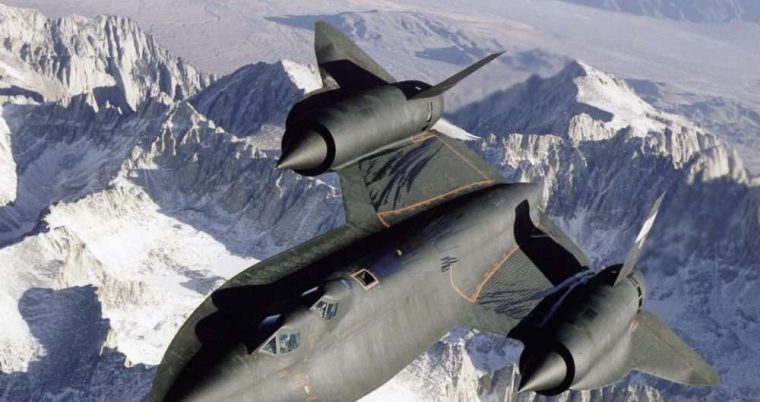
Visiongain has published a new report entitled Airborne Countermeasure System Report 2024-2034: Forecasts by System Type (Radar Warning Receivers, Missile Approach Warning Systems, Chaff and Flare Dispensing Systems, Directed Energy Weapons, Directed Infrared Countermeasures (DIRCM), Radio Frequency Jammers, Identification Friend or Foe (IFF) Systems, Others), by Platform (Fixed Wing, Rotary Wing, UAV), by Application (Counter-Terrorism Operations, Combat Operations, Jamming) AND Regional and Leading National Market Analysis PLUS Analysis of Leading Companies.
The global airborne countermeasure system market is estimated to surpass US$12.0 in 2024 and is projected to grow at a CAGR of 5.0% during the forecast period 2024-2034.
The market for airborne countermeasure systems is expanding at a rapid pace by virtue of developments in electronic warfare technologies. The efficiency of aerial countermeasures is increased by innovations including next-generation decoy systems, enhanced radar warning receivers, and digital radio frequency memory (DRFM) jamming. Modern countermeasure solutions are in greater demand as a result of these technological advancements that shield military aircraft from adversary radar and missile systems.
Large financial commitments are necessary for the development and acquisition of sophisticated aerial countermeasure systems. These systems are costly due to the costs associated with manufacturing and integrating advanced technology, as well as research and development (R&D) expenses. These high prices can be unaffordable for many nations, particularly those with little defence budgets, which could hinder the uptake and implementation of cutting-edge countermeasure systems.
How will this Report Benefit you?
Visiongain’s 250-page report provides 116 tables and 124 charts/graphs. Our new study is suitable for anyone requiring commercial, in-depth analyses for the airborne countermeasure system market, along with detailed segment analysis in the market. Our new study will help you evaluate the overall global and regional market for Airborne Countermeasure System. Get financial analysis of the overall market and different segments including feedstock, product, and processes and capture higher market share. We believe that there are strong opportunities in this fast-growing airborne countermeasure system market. See how to use the existing and upcoming opportunities in this market to gain revenue benefits in the near future. Moreover, the report will help you to improve your strategic decision-making, allowing you to frame growth strategies, reinforce the analysis of other market players, and maximise the productivity of the company.
What are the Current Market Drivers?
Growing Need for Missile Detection Systems
The growing need for missile detection systems is indeed a key driver in the expansion of the airborne countermeasure market. With rising geopolitical tensions and evolving security challenges, the need for advanced missile detection systems is becoming critical. Nations are investing in airborne countermeasures to protect aircraft, both military and civilian, from missile threats such as surface-to-air and air-to-air missiles.
New technologies like infrared countermeasures, electronic warfare systems, and radar warning receivers are enabling more effective detection and disruption of incoming missile threats. These systems are increasingly being integrated into fighter jets, transport aircraft, and even UAVs (Unmanned Aerial Vehicles). Many countries are modernizing their military capabilities, which includes upgrading their missile defense and countermeasure systems. This need for modernization is driving demand for advanced airborne countermeasures that offer superior detection capabilities and rapid response mechanisms.
On July 2024, Defence Research & Development Organisation (DRDO) successfully flight-tested Phase-II Ballistic Missile Defence System. The Target Missile was launched from LC-IV Dhamra at 1620 hrs mimicking adversary Ballistic Missile, which was detected by weapon system radars deployed on land and sea and activated the AD Interceptor system. The test has demonstrated Nation’s indigenous capability to defend against the Ballistic Missiles of 5000 km class. The performance of the missile was monitored from the flight data captured by Range tracking instruments like Electro-Optical Systems, Radar and Telemetry Stations deployed by ITR,Chandipur at various locations including on-board ship.
Where are the Market Opportunities?
Rising Defense Expenditure
Many nations, especially in regions like North America, Europe, and Asia-Pacific, are increasing their defense budgets, focusing on enhancing air combat capabilities. This leads to higher demand for advanced countermeasure systems. Modern warfare increasingly relies on electronic warfare to disrupt enemy communication and targeting systems. As a result, there is a growing need for advanced countermeasure systems such as Electronic Countermeasures (ECM), which are used to jam or mislead enemy radar and missile systems.
With rising defense budgets, governments are investing in the research and development of next-generation airborne countermeasure systems, including directed energy weapons and laser-based countermeasures. These are seen as critical technologies to address emerging threats such as hypersonic missiles and sophisticated radar systems.
The increased defense expenditure is driving the procurement of modern military aircraft like stealth fighters, unmanned aerial vehicles (UAVs), and transport aircraft. These platforms often require advanced countermeasure suites for self-protection, leading to increased orders for flare and chaff dispensers, missile warning systems, and other onboard defense systems.
Competitive Landscape
The global airborne countermeasure system market is competitive in nature as large number of well-established companies are operating in this industry. Some of the leading companies present in this industry are Aselsan, BAE Systems, Cohort Plc, Collins Aerospace, Elbit Systems Ltd., Forbes Media LLC, Hensoldt, Indra, Israel Aerospace Industries, L3Harris Technologies, Inc., Leonardo S.P.A, Lockheed Martin Corporation, Northrop Grumman, Raytheon Technologies Corporation, Rheinmetall AG, Safran, Teledyne FLIR LLC, Terma, and Thales Group. Companies operating in this industry are adopting new product development, expansion, investment, and partnership to stay competitive in this industry and gain competitive advantage over other companies.
Recent Developments
In May 2024, the U.S. Navy selected BAE Systems to develop the DBD, a radio frequency (RF) countermeasure that protects fighter jets from enemy attacks. The DBD is a self-protection jammer that can be launched by the pilot or automatically. It’s part of BAE Systems’ Intrepid Shield™ approach to creating a protective sphere around platforms in highly contested battlespaces.
Notes for Editors
If you are interested in a more detailed overview of this report, please send an e-mail to contactus@visiongain.com or call +44 (0) 207 336 6100.
About Visiongain
Visiongain is one of the fastest-growing and most innovative independent media companies in Europe. Based in London, UK, Visiongain produces a host of business-to-business reports focusing on the automotive, aviation, chemicals, cyber, defence, energy, food & drink, materials, packaging, pharmaceutical and utilities sectors.
Visiongain publishes reports produced by analysts who are qualified experts in their field. Visiongain has firmly established itself as the first port of call for the business professional who needs independent, high-quality, original material to rely and depend on.


