Home Healthcare Market
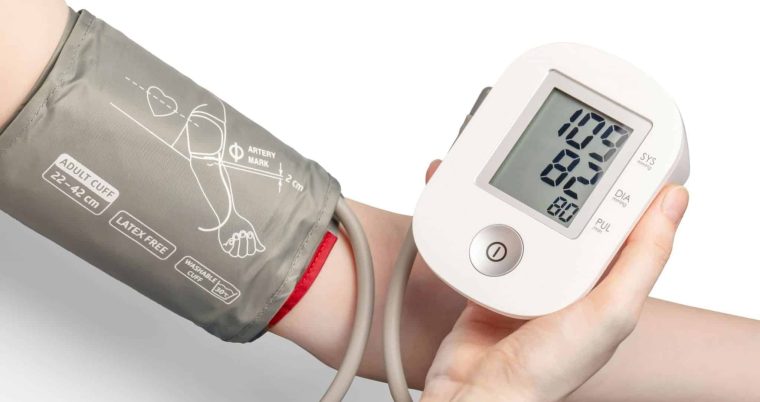
Visiongain has published a new report entitled Home Healthcare Market Report 2025-2035: Forecasts by Type (Product (Diagnostic (Blood Glucose Monitors, Pulse Oximeters, Blood Pressure Monitors, Others), Treatment (Home Dialysis Machine, Infusion Pumps, Nebulizers, Oxygen Concentrators, Wheelchairs & Scooters, Walking Aid Devices, Others), Services (Skilled Home Healthcare (Physician Primary Care, Nursing Care, Physical/Occupational/Speech Therapy, Nutritional Support & Infusion Therapy, Hospice & Palliative, Others), Unskilled Home Healthcare)), by Indication (Cardiovascular Disorder & Hypertension, Diabetes & Kidney Disorders, Neurological & Mental Disorders, Respiratory Disease & COPD, Maternal Disorders, Mobility Disorders, Cancer, Wound Care, Others) AND Regional and Leading National Market Analysis PLUS Analysis of Leading Companies.
The global home healthcare market is estimated at US$412.2 billion in 2025 and is projected to grow at a CAGR of 9.2% during the forecast period 2025-2035.
Emerging Trends and Legal Challenges in Home Healthcare
The growing adoption of technology in home health care introduces both opportunities and legal challenges. Telehealth, remote patient monitoring, and AI-driven diagnostics have revolutionized care delivery but raise questions about data security, licensing, and malpractice. For instance, telehealth often involves cross-state practices, which require providers to comply with multiple state regulations.
The rise of telehealth has also amplified concerns around cybersecurity. Providers must ensure that patient data transmitted over digital platforms is encrypted and protected. Any breach can result in hefty penalties under HIPAA.
Another emerging challenge is labour management. As the demand for home health care workers grows, so do issues related to fair wages, overtime disputes, and employee classification. Legal battles over misclassification of caregivers as independent contractors rather than employees have been on the rise.
To address these challenges, providers must adopt proactive strategies, such as integrating advanced compliance tools, engaging legal counsel, and fostering a culture of continuous learning. By embracing innovation responsibly, providers can navigate these challenges and remain competitive.
How will this Report Benefit you?
Visiongain’s 340-page report provides 122 tables and 158 charts/graphs. Our new study is suitable for anyone requiring commercial, in-depth analyses for the home healthcare market, along with detailed segment analysis in the market. Our new study will help you evaluate the overall global and regional market for Home Healthcare. Get financial analysis of the overall market and different segments including type, process, upstream, downstream, and company size and capture higher market share. We believe that there are strong opportunities in this fast-growing home healthcare market. See how to use the existing and upcoming opportunities in this market to gain revenue benefits in the near future. Moreover, the report will help you to improve your strategic decision-making, allowing you to frame growth strategies, reinforce the analysis of other market players, and maximise the productivity of the company.
What are the Current Market Drivers?
Rising Incidence of Chronic Diseases among Elderly Population
The global population is aging at an accelerated pace. The number of individuals aged 60 & older is expected to increase from 1 billion in 2020 to 1.4 billion by 2030, & to 2.1 billion by 2050 (Source: WHO). The number of individuals aged 80 & older will triple, reaching over 420 million. Although ageing was initially a trend in high-income countries such as Japan, where 30% of the population is over 60, it is currently most prevalent in low- and middle-income countries, where it will comprise two-thirds of the elderly population by 2050.
Chronic diseases such as hypertension, diabetes, cancer, and heart disease are increasingly common among the elderly, consuming over 75 per cent of healthcare costs for those 65 years and above. Cancer diagnoses in individuals above 55 years make up 80 per cent of U.S. cases alone, projected to rise by 67 per cent by 2030. Moreover, treatment therapies such as chemotherapy side effects and surgical risks further would further complicate care and burden the healthcare system.
Geriatric syndromes, including frailty, falls, and malnutrition, significantly impact health and independence. Falls are the leading cause of injuries in those above 65 years, resulting in millions of Emergency room (ER) visits annually. While, malnutrition affects up to one-third of seniors and pressure injuries impact approximately 3 million people annually.
Mental health issues like depression, dementia, and delirium are also prevalent. Dementia cases, primarily Alzheimer’s, are expected to triple by 2050, requiring significant caregiving resources.
Barriers to care includes transportation issues, specialist shortages, and fragmented services all these factors hinder healthcare accessibility, especially in rural areas. Coordinated care teams, telehealth, and enhanced transportation services are vital solutions.
Home healthcare is emerging as a key approach, serving 70% of seniors aged 65 years and above. With benefits like reduced infection risks and personalized care, it is further enhanced by remote monitoring and telemedicine, offering a sustainable way to address the needs of aging populations while easing the burden on healthcare systems.
Technological Advancements
Traditional care facilities frequently encounter obstacles regarding capacity and personalized attention, which has resulted in an increasing preference for home-based care solutions. These alternatives allow seniors to age in place while receiving essential medical support and personal care in the comfort of their own homes. The demand for home health care has increased significantly as families and caregivers increasingly prioritize safety, convenience, and accessibility. In-home rehabilitation, remote health monitoring, and personalized care plans are becoming conventional practices, which indicates a trend toward ageing in the home rather than institutional settings.
Technology is instrumental in the transformation of elderly care by addressing critical needs and bridging the gap between the increasing demands of patients and the limited number of healthcare professionals. Remote monitoring devices and telehealth services enable healthcare providers and caregivers to monitor the health of seniors in real time, thereby identifying early indications of potential issues and enabling prompt interventions. This not only guarantees that seniors receive the requisite care without compromising their independence, but it also offers families peace of mind. On 4th June 2024, Centra launched its Remote Home Monitoring (RHM) Program to enhance senior care by managing chronic conditions like diabetes and hypertension. Bluetooth-enabled devices transmit real-time data to a Command Center, reducing hospital readmissions and improving patient well-being.
Where are the Market Opportunities?
Digitization Transforming the Home Healthcare Sector
Digitization has become a fundamental component of the home healthcare industry, introducing a new era of accessibility and efficiency. The integration of mobile health applications, cloud-based patient data systems, and telehealth platforms has simplified the delivery of care, enabling providers to establish a seamless connection with patients. Real-time health monitoring is facilitated by these technologies, which reduces the necessity for frequent in-person visits.
Wearable health monitors track vital signs in real-time, enabling timely interventions by healthcare professionals. Additionally, digitalization streamlines resource allocation by automating tasks like scheduling, billing, and documentation, allowing providers to focus on patient care. On January 4, 2024, Eli Lilly and Company launched LillyDirect™, a digital healthcare platform for U.S. patients with obesity, migraine, and diabetes. LillyDirect offers home delivery of select medicines, personalized support, and access to independent healthcare providers through third-party services.
Adoption of Artificial Intelligence
The home healthcare landscape is being redefined by the incorporation of Artificial Intelligence (AI) to improve the precision, efficiency, and personalisation of patient care. AI-driven tools, including predictive analytics and virtual assistants, enable healthcare providers to predict patient needs, thereby facilitating early interventions that can prevent complications. One example is that AI algorithms can analyse historical patient data to identify trends, which enables clinicians to develop personalised treatment plans. The same is true for chatbots that are powered by AI, which can offer 24/7 assistance with appointment scheduling, symptom management, and medication reminders. The national launch of Olivia was announced by Tempus AI, Inc. on January 21, 2025. This technology company is at the forefront of the adoption of AI to advance precision medicine and patient care. Olivia is a personal health app that is AI-enabled and is intended to provide patients with actionable insights by unifying their health-related data in a single, central location.
Competitive Landscape
The major players operating in the home healthcare market are List of Companies Profiled in the Report 3M Health Care (Solventum), Abbott, Addus HomeCare, Amedisys, ARKRAY, Inc., BD, B. Braun Medical Ltd., Baxter, BAYADA Home Health Care, Brookdale Senior Living Inc., Convatec Group PLC, Fresenius Medical Care AG, GE HealthCare, Home Instead, Inc., Invacare Corporation, Hollister Incorporated, Johnson & Johnson Services, Inc., Kindred Hospitals, Koninklijke Philips N.V., Lincare Holdings Inc., Medtronic, Medco Healthcare Medical Group Inc., Mölnlycke AB, and Owens & Minor, Inc. These major players operating in this market have adopted various strategies comprising M&A, investment in R&D, collaborations, partnerships, regional business expansion, and new product launch.
Recent Developments
- On 26th November 2024, Beurer India expanded its product line with the launch of the GL 22 blood glucose monitor. This device is designed to provide users with accurate and reliable blood glucose readings, reflecting the company’s commitment to delivering high-quality healthcare solutions.
- On 20th September 2024, OMRON Healthcare announced receiving FDA De Novo authorization for its new blood pressure monitors with AI-powered atrial fibrillation (AFib) detection technology. This breakthrough innovation supports the growing demand for home-based monitoring by combining blood pressure measurement with early AFib detection, a critical feature for reducing the risk of strokes.
- On 4th September 2024, Fresenius Medical Care (FME), a global leader in kidney care, achieved a growth milestone of more than 14,000 U.S.-based patients using the Company’s NxStage systems to perform Home Haemodialysis (HHD) therapy through both Fresenius Kidney Care clinics and other providers.
Notes for Editors
If you are interested in a more detailed overview of this report, please send an e-mail to contactus@visiongain.com or call +44 207 336 6100.
About Visiongain
Visiongain is one of the fastest-growing and most innovative independent media companies in Europe. Based in London, UK, Visiongain produces a host of business-to-business reports focusing on the automotive, aviation, chemicals, cyber, defence, energy, food & drink, materials, packaging, pharmaceutical and utilities sectors.
Visiongain publishes reports produced by analysts who are qualified experts in their field. Visiongain has firmly established itself as the first port of call for the business professional who needs independent, high-quality, original material to rely and depend on.


