The GLP-1 Boom: A Drug Class Redefining the Obesity Market
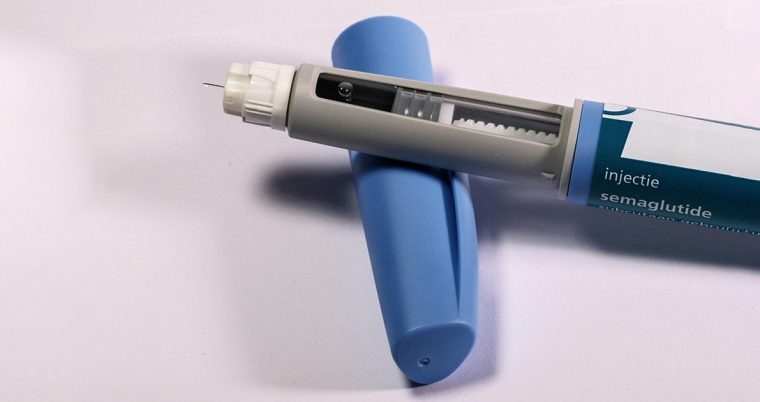
GLP-1 drugs have triggered one of the fastest commercial expansions in pharmaceutical history. A once marginal obesity treatment category is rapidly becoming a $200 billion global market opportunity.
Visiongain Key Takeaways
- The Obesity Drug Market Is Scaling Rapidly: GLP-1 therapies are transforming a historically marginal category into one of the fastest-growing segments in pharmaceuticals.
- Clinical Evidence Extends Beyond Weight Loss: Cardiovascular outcomes data are reinforcing obesity as a chronic cardiometabolic disease requiring long-term treatment.
- The Pipeline Is Moving Beyond First-Generation GLP-1 Drugs: New approaches, including amylin analogues, triple agonists and oral therapies, are reshaping the next wave of development.
- Manufacturing Scale Is Becoming a Competitive Advantage: Supply constraints have exposed production limitations, driving major investment in large-scale GLP-1 manufacturing.
- Combination Therapies May Define the Next Phase: Emerging programmes are targeting greater weight loss while preserving lean muscle mass.
- Pricing and Access Will Shape Market Expansion: High treatment costs and uneven reimbursement remain key barriers to widespread adoption.
According to Visiongain analysis, the global Anti-Obesity Drugs Market is expected to surpass US$22.5 billion in 2026 and reach US$199.9 billion by 2036, representing a compound annual growth rate of 24.2 per cent.
GLP-1 Therapies Move Into the Pharmaceutical Mainstream
GLP-1 receptor agonists, led by semaglutide (Wegovy) and tirzepatide (Zepbound), have significantly changed expectations for pharmacological weight loss. Clinical trials now demonstrate body weight reductions of 15 to 22 per cent, levels previously associated mainly with bariatric surgery.
GLP-1 therapies are increasingly associated with:
- reductions in cardiovascular risk
- improvements in sleep apnoea
- renal benefits
- improvements in metabolic liver disease
With more than one billion people living with obesity worldwide, GLP-1-based therapies are no longer a niche treatment category. Physician adoption is increasing rapidly and demand is accelerating as healthcare systems and private-pay markets broaden access, positioning these therapies as one of the most significant commercial opportunities in modern pharmaceuticals.
Demand has already begun to outpace supply. Persistent shortages of semaglutide and tirzepatide have exposed manufacturing constraints across the industry, making large-scale biologics production capacity a defining competitive factor.
Emerging Pipeline: Powering the Next Wave
The anti-obesity drug pipeline is evolving rapidly beyond the first generation of GLP-1 therapies.
Cagrilintide, an amylin analogue, is advancing in combination with semaglutide in the Phase III CagriSema programme. Early data suggests weight reductions exceeding 25 per cent. Eli Lilly’s retatrutide, a triple agonist targeting GLP-1, GIP and glucagon receptors, has demonstrated weight reductions of up to 24 per cent in Phase II studies.
Oral small-molecule GLP-1 receptor agonists are also attracting significant attention. Eli Lilly’s orforglipron and Pfizer’s danuglipron aim to address patient reluctance towards injections, with key clinical results expected through 2025 and 2026. Oral therapies could significantly broaden the prescribing base by removing the barrier of injections.
Amgen’s MariTide introduces a different approach. The therapy is a long-acting antibody targeting GLP-1 and GIP receptors and is designed for monthly dosing, offering a potential advantage in patient convenience compared with weekly injectable competitors.
Several next-generation programmes are exploring therapies designed to preserve lean muscle mass during weight loss, an increasingly important clinical objective as obesity therapies become more widely used.
Visiongain Insight: Competition in next-generation obesity therapies will increasingly depend on efficacy, preservation of lean mass, cardiovascular outcomes and dosing convenience.
Strategic Collaborations Driving Commercialisation
Manufacturing scale has become a central competitive factor. Novo Nordisk’s acquisition of Catalent manufacturing facilities, valued at approximately US$11 billion, highlights the importance of production capacity in the GLP-1 market. Supply constraints remain one of the most significant commercial challenges for current therapies.
Eli Lilly is also investing heavily in manufacturing while building a broader obesity treatment platform. Its US$1.9 billion acquisition of Versanis, developer of bimagrumab, reflects growing interest in therapies designed to preserve lean muscle mass during weight loss.
Several smaller biotechnology companies are also attracting attention from larger pharmaceutical players, including Viking Therapeutics and Zealand Pharma, whose programmes are widely viewed as potential licensing or acquisition targets.
Partnership activity across the obesity therapeutics market is increasingly driven by three factors:
- Manufacturing capacity for large-scale GLP-1 production
- Pipeline expansion through licensing and acquisitions
- New distribution models through digital health platforms
Compounded GLP-1 prescriptions have attracted increased regulatory scrutiny in several markets as demand for obesity treatments continues to outpace supply.
Digital health platforms are building infrastructure to deliver GLP-1 therapies directly to patients, including:
- Hims & Hers
- WeightWatchers
- Amazon Pharmacy
Together, these developments are reshaping prescribing pathways and distribution models for obesity treatments.
Visiongain Insight: Manufacturing scale, pipeline depth and payer relationships are emerging as the three key competitive factors in the anti-obesity market.
Competitive Landscape
Novo Nordisk and Eli Lilly are expected to maintain leadership in the obesity therapeutics market through the late 2020s. However, the competitive landscape is expected to broaden as next-generation therapies reach the market.
Amgen’s MariTide could introduce meaningful differentiation through monthly dosing. At the same time, oral GLP-1 therapies such as Eli Lilly’s orforglipron may significantly broaden treatment access.
Other companies developing promising obesity pipeline assets include:
- Pfizer – danuglipron
- Structure Therapeutics – GSBR-1290
- Viking Therapeutics – VK2735
These programmes are among the most closely watched challengers to current market leaders. Several of these companies are also widely viewed as potential acquisition targets by larger pharmaceutical groups seeking to strengthen their obesity pipelines.
Visiongain Insight: Clinical efficacy alone will not determine long-term leadership. Manufacturing scale, indication breadth, payer strategy and delivery innovation will define the next competitive phase.
Market Outlook: A Multi-Billion Dollar Opportunity
The SELECT cardiovascular outcomes trial strengthened the case for obesity pharmacotherapy. By demonstrating a 20 per cent reduction in major adverse cardiovascular events among overweight and obese patients treated with semaglutide, the study reinforced GLP-1 therapies as cardiometabolic treatments rather than weight-loss drugs alone.
This evidence is influencing prescribing and reimbursement decisions. Physician confidence is rising, and payer coverage is expanding as obesity therapies are increasingly treated as long-term metabolic treatments.
Indication expansion remains a central growth driver. Semaglutide is approved or under review for heart failure with preserved ejection fraction, sleep apnoea, metabolic dysfunction-associated steatohepatitis and chronic kidney disease, with each indication increasing the reimbursable patient population.
Regional adoption will also shape market development. While the United States dominates in revenue, Europe, Japan, and the Asia-Pacific region remain at earlier stages of reimbursement adoption. China’s domestic GLP-1 pipeline highlights the region’s growing role in both demand and innovation.
Manufacturing scale will influence how quickly the market expands, while effective oral GLP-1 therapies could broaden prescribing between 2026 and 2030. Longer term, delivery technologies such as microneedle patches and implantable depot systems may improve adherence.
Visiongain Insight: The anti-obesity market is entering a sustained growth phase. Companies that combine manufacturing scale, expanding indications and next-generation delivery technologies will be best positioned to capture long-term market share.
From Visiongain
Detailed market forecasts, competitive analysis, and sector reports help you make clear, future-proof strategic choices across R&D, manufacturing, supply chain, and commercial execution.
Explore the latest strategic market reports:
- Anti-obesity Drugs Market Report 2026-2036
- Longevity Market Report 2026-2036
- Alzheimer’s Therapeutics Market Report 2026-2036
- Rheumatoid Arthritis Drugs Market Report 2026-2036
- Ophthalmic Drugs Market Report 2026-2036
- Antibody Drug Conjugates Market Report 2025-2035
Press & Media Enquiries
For commentary, data requests or interview enquiries, please contact: press@visiongain.com


