Europe Wants Weapons Faster. Can Industry Deliver?
European governments are moving to buy weapons faster. Whether manufacturers can deliver is a harder question.
October has brought new measures to reduce procurement delays and coordinate defence purchasing. Yet increasing production remains difficult, particularly where manufacturers depend on scarce materials, specialist suppliers and skilled workers.
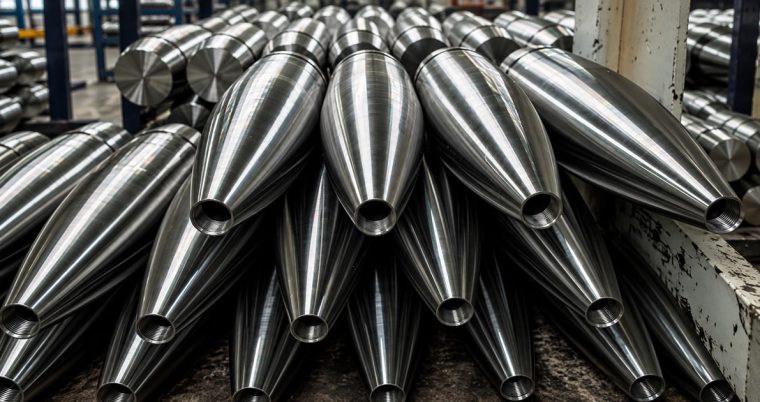
According to the International Institute for Strategic Studies (IISS), 155mm artillery ammunition production capacity among Europe’s NATO members has increased approximately fivefold since 2022. Further expansion is planned, but significant constraints remain.
This week we examine what Europe’s reforms could change, where industrial expansion is taking place and which suppliers stand to benefit.
Visiongain Top Takeaways
- EU procurement reform: New legislation aims to shorten approval times for defence projects and simplify cross-border purchasing and transfers.
- Joint defence orders: Four European allies are beginning treaty negotiations on a shared purchasing mechanism targeted for 2027.
- €150bn in EU defence loans: SAFE has approved loan agreements for 19 participating countries, with a further €21.3bn available in a second funding round.
- Industrial capacity: Ammunition and missile manufacturers are increasing output, but shortages of specialist materials, skilled workers and financing remain obstacles.
EU Moves to Cut Defence Procurement Delays
On 9 October, the Council of the EU approved new legislation to speed up defence procurement and investment. The measures raise procurement thresholds, allow more flexible joint purchasing and simplify transfers of defence-related products between member states.
The legislation also sets a 42-working-day period for decisions on qualifying defence project permits, extendable to a maximum of 102 days. Applications may receive automatic approval if authorities miss the applicable deadline, subject to national security and public health exceptions.
Faster approvals could help manufacturers expand facilities and organise cross-border production. Actual delivery schedules will still depend on contracts, investment and available manufacturing capacity.
European Allies Seek to Combine Defence Orders
On 26 October, defence ministers from France, Germany, Italy, Poland and the UK backed closer industrial cooperation and more standardised military requirements.
Two days later, the UK, Netherlands, Finland and Poland announced treaty negotiations on a separate Multilateral Defence Mechanism to combine demand and support joint purchasing. They aim to have it operating in 2027.
Larger, coordinated orders could reduce costs and give manufacturers greater confidence to invest. Yet agreeing who builds what remains difficult.
The collapse of the joint fighter aircraft element of the Franco-German-Spanish Future Combat Air System (FCAS) programme in June illustrates the problem. Disputes between Airbus and Dassault Aviation over programme control and technical requirements prevented agreement, despite years of cooperation. Other elements of FCAS may continue.
The lesson for future joint programmes is that common military requirements must be matched by agreements on industrial responsibilities.
SAFE Funding: Which Suppliers Will Benefit?
The EU’s €150bn Security Action for Europe (SAFE) programme provides long-term loans to support defence investment.
On 29 October, the European Commission announced a second funding round, making the remaining €21.3bn available within the existing programme. Loan agreements have now been approved for all 19 participating countries, with almost €13.5bn disbursed to 11 countries.
SAFE supports investment in ammunition, missiles, air defence and other priority equipment. Its rules generally require at least 65% of component costs to originate in the EU, Ukraine or eligible EEA/EFTA countries.
These requirements favour eligible European production while limiting opportunities for some overseas suppliers. Contract awards and sourcing arrangements will determine where the commercial benefits ultimately fall.
Factory Expansion Runs Into Supply Constraints
European ammunition manufacturing capacity has grown substantially, with further expansion planned. According to the IISS’s September 2026 study, The Defence of Europe in a New Era: An Assessment, 155mm ammunition production capacity could more than double again by 2030 if current plans are realised.
Missile manufacturers are expanding too. In March, MBDA reported that it had doubled missile production between 2023 and the end of 2025, with a further 40% increase planned for 2026.
Yet additional assembly lines depend on reliable supplies of explosives, propellants and specialist components. Shortages of energetic materials, rocket motors and skilled workers continue to constrain output.
Sweden’s Swebal is developing a new TNT factory, while Poland’s Nitro-Chem is expanding production. Both investments illustrate the importance of securing the materials needed to turn additional manufacturing capacity into finished weapons.
Market Outlook: Where Are the Opportunities?
Europe’s industrial expansion is creating opportunities in ammunition, missile propulsion and air defence. Rising demand, however, will not benefit every supplier equally.
The UK has added another consideration for overseas manufacturers. Under a new offsets policy announced on 30 October, selected overseas defence contracts worth £50m or more may require investment in British manufacturing, suppliers, jobs or skills. The policy will begin applying to selected procurements from April 2027.
The move strengthens the commercial case for local industrial partnerships, particularly among international contractors seeking access to UK defence programmes.
Manufacturers with qualified products, established customer relationships and reliable access to specialist components may also hold an advantage. Partnerships and acquisitions could become more attractive where production capacity is scarce, although investors will need to assess whether expansion can be delivered profitably.
Visiongain Insight
Europe’s defence expansion brings a financial challenge that is easy to overlook. In its August 2026 interim results, Rheinmetall reported negative operating free cash flow of €1.6bn in the first half of the year, partly due to inventory build-up, investment and the timing of advance payments, despite rising sales and profits.
Europe is already demonstrating that higher production is possible. The challenge is extending that progress across the industry without putting excessive pressure on manufacturers’ finances.
A growing order book is not enough. Investors and defence buyers need to examine payment terms, working capital and suppliers’ financial strength alongside production targets and promised delivery dates.
From Visiongain
Visiongain’s Advanced Materials in Aerospace and Defence Market Report 2026–2036 examines market forecasts, specialist materials and competitive developments shaping aerospace and defence manufacturing.
View the report and request sample pages.
Press & Media Enquiries
For commentary, data requests or interview enquiries, please contact: press@visiongain.com