Europe’s Ukraine Funding Takes an Industrial Turn
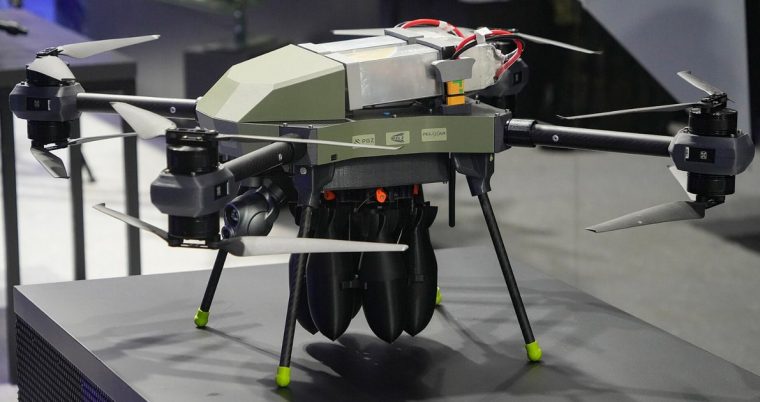
Around 40% of the EU’s latest €1.71bn defence payment to Ukraine will fund contracts with EU-based manufacturers. Disbursed on 16 November 2026, this is the latest instalment of the €18.1bn paid so far under the defence component of the Ukraine Support Loan. The money will help purchase drones, ammunition and air defence systems.
The payment reflects a wider effort to direct weapons orders towards European and Ukrainian suppliers. Dependence on American equipment remains, particularly in missile defence, while manufacturers across Europe face pressure to increase production as governments replenish their own military inventories.
Visiongain Top Takeaways
- Funding and procurement: The €90bn Ukraine Support Loan includes €60bn for defence procurement and industrial capacity. Procurement rules favour eligible European and Ukrainian suppliers, with exceptions for critical US equipment.
- Joint manufacturing: The EU and Ukraine aim to expand joint drone and counter-drone production by the end of 2026, with anti-ballistic missile cooperation planned by 2028. Bilateral drone manufacturing is already under way.
- French weapons programmes: Ukraine plans to acquire an initial 16 Rafale fighters and four SAMP/T NG air defence systems. Agreements also authorise licensed production of AASM guided bombs, SCALP cruise missiles and Aster 30 interceptors in Ukraine, although financing and production arrangements remain to be finalised.
EU Funding Changes the Defence Supply Chain
The Ukraine Support Loan’s procurement rules favour Ukrainian, EU and eligible European suppliers. The EU Council approved UK participation in the loan on 22 July 2026, allowing Ukraine to use the funding to purchase eligible products from British manufacturers. Exceptions also permit urgent purchases from other countries where suitable equipment cannot be supplied in time.
These conditions could affect which companies secure contracts, where major manufacturers source components and whether overseas suppliers establish European partnerships or production facilities. Access to funding will also depend on meeting procurement eligibility requirements.
On 18 November 2026, the European Commission proposed a separate €45bn loan for Ukraine in 2027, including up to €25bn for military assistance. The proposal requires approval and would come on top of the existing €90bn programme. If adopted, it could provide manufacturers with further demand, although the commercial impact will depend on the orders placed and their delivery schedules.
EU and Ukraine Expand Joint Defence Production
The EU-Ukraine Defence Industrial Partnership, signed in July 2026, sets targets for joint drone and counter-drone production by the end of 2026, followed by anti-ballistic missiles by 2028.
The EU–Ukraine Drone Alliance has 18 founding members, including Indra, Fincantieri, Quantum Systems and Ukrainian manufacturer UFORCE. On 10 November, Quantum Systems and UFORCE were elected co-chairs as the alliance develops plans for industrial cooperation.
Manufacturing is already taking place outside this framework. Germany’s Quantum Systems and Ukraine’s Frontline Robotics began producing drones through their joint venture, Quantum Frontline Industries, in February. The company completed its first batch of Linza unmanned aircraft systems in April for delivery to Ukraine.
Ukrainian companies have also gained access to European collaborative defence research and industrial funding following agreements that took effect on 16 October. The €300m Ukraine Support Instrument includes €260m to expand manufacturing capacity and €35.3m for defence innovation.
These arrangements give Ukrainian manufacturers greater access to European industrial programmes. However, the scale of future cooperation will depend on funding, production agreements and the commercial rights governing jointly developed technologies.
France’s Rafale Plans and Ukrainian Weapons Production
France and Ukraine agreed a procurement roadmap in July 2026 covering a planned initial acquisition of 16 Dassault Aviation Rafale fighters, part of a proposed 100-aircraft programme. A firm aircraft purchase contract has not yet been signed, and financing remains to be arranged through the EU’s Ukraine Support Loan and other sources. The first aircraft are expected to operate in Ukraine in 2028–2029.
Ukraine also intends to acquire four Franco-Italian SAMP/T NG air defence systems. France has committed to providing two existing SAMP/T systems for interim use, to be returned once the new SAMP/T NG systems are delivered.
Separate agreements authorise licensed production in Ukraine of Safran’s AASM guided bombs, MBDA’s SCALP cruise missiles and Aster 30 interceptors. These arrangements could bring Ukrainian manufacturers further into European weapons supply chains, although production volumes and start dates remain uncertain.
Demand for SAMP/T NG extends beyond Ukraine. On 22 October, France ordered four additional systems from Eurosam, the MBDA–Thales consortium, bringing its total orders to 12. Ukraine’s planned acquisition would add to a programme already serving European requirements, increasing the importance of manufacturing capacity and delivery schedules.
European Funding Still Buys American Weapons
Europe’s preference for domestic defence manufacturers has limits, particularly in ballistic missile defence. At the Ukraine Defence Contact Group on 17 November, NATO confirmed further funding commitments for US-made equipment through the Prioritised Ukraine Requirements List (PURL). NATO said allies had pledged more than US$10bn in total across PURL and US Foreign Military Sales for Ukraine.
Norway’s latest assistance package illustrates the continuing role of both American and Ukrainian suppliers, with US$300m allocated to PURL and another US$300m to Ukrainian-made drones. The European Commission has also approved exceptions allowing EU loan funding to purchase US-made PAC-3 Patriot interceptors.
Separately, ten countries launched the FREYJA anti-ballistic missile initiative in July 2026, with Ukraine seeking a prototype in the first half of 2027. The programme aims to develop more affordable interceptors that can be produced in larger quantities, complementing rather than replacing existing systems.
American suppliers therefore retain an important near-term role in Ukraine’s missile defence procurement, while European manufacturers pursue additional capabilities that could compete for future orders.
Market Outlook
Ukraine’s continuing military requirements and Europe’s efforts to replenish stockpiles should sustain demand for ammunition, air defence and counter-drone systems into 2027 and beyond.
Visiongain forecasts the global counter-UAV (C-UAV) market to grow from US$6.07bn in 2027 to US$24.68bn by 2037, at a 15.1% CAGR.
Manufacturing capacity remains a concern. On 18 November, EU Defence Commissioner Andrius Kubilius called for European production to increase so that equipment needed by Ukraine can be delivered in 2027 rather than 2028 or 2029.
Longer-term procurement commitments could encourage manufacturers to invest in additional capacity, particularly for missiles and ammunition dependent on specialist components and propellants. The timing of contract awards and deliveries will remain important to companies and investors assessing future market growth.
Visiongain Insight
Partnerships with Ukrainian drone and electronic warfare developers offer European defence contractors access to technologies refined during the war. Ukrainian manufacturers, meanwhile, could gain investment, production capacity and customers across Europe.
These relationships may also create new competitors. Ownership of technology, export permissions and rights to sell jointly developed weapons will affect the commercial value of future agreements. Companies considering partnerships or acquisitions will need to establish who controls those rights and how future revenues will be shared.From Visiongain
Visiongain’s defence research provides country-level market forecasts, competitive intelligence and technology analysis to help manufacturers, suppliers and investors assess procurement trends, market opportunities and changing industry requirements.
The Counter-UAV (C-UAV) Market Report 2027–2037 examines growing demand for drone detection, tracking and countermeasure technologies, with regional forecasts and competitive analysis to support strategic planning and investment decisions.
The Small Drones Market Report 2026–2036 analyses military and commercial drone markets, manufacturing developments and emerging technologies, providing forecasts and competitive intelligence across key regional markets.
Press & Partnerships Enquiries
For commentary, data requests or interview enquiries, contact contactus@visiongain.com.