Pharma’s Manufacturing Reshuffle Is Feeding CDMO Growth
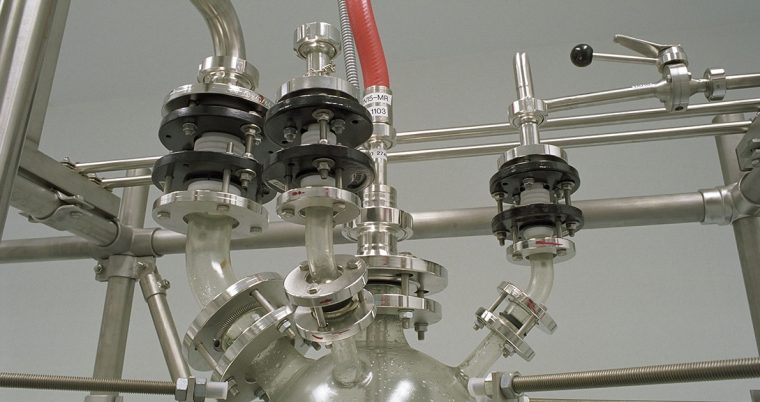
Lifecore Biomedical’s latest contract is not for a new drug entering manufacturing. It is for the transfer of an injectable product that is already on the market.
Announced on 2 September, the agreement covers technical transfer ahead of commercial manufacturing for a global pharmaceutical company, with revenue expected from 2028. It is one of a series of commercial site-transfer programmes Lifecore has secured this year.
The activity reflects a wider shift in pharmaceutical manufacturing. As drugmakers rethink their production networks, established products are moving between internal plants and external suppliers, creating another source of work for CDMOs able to manage the transfer into commercial supply.
Visiongain Top Takeaways
- Site transfers are adding to CDMO pipelines as pharma companies reconfigure production networks and move established products between sites.
- A contract win can be years from commercial revenue: technology transfer, qualification and regulatory work still have to be completed before routine production begins.
- Programme counts alone say little about future utilisation: stage, transfer progress and expected production timing are better indicators of how much of a CDMO pipeline could convert into revenue.
Site Transfers Create Another Route to Commercial Manufacturing
Visiongain forecasts the global pharmaceutical contract manufacturing market to grow from US$171.00bn in 2026 to US$367.06bn by 2036, at a CAGR of 7.9%. Changes to existing manufacturing networks are adding to that opportunity as established products move between sites and suppliers.
Lifecore’s September agreement follows a series of commercial transfer wins. In March, the company signed agreements covering an established sterile product moving from a customer’s plant outside the US and a marketed product transferring from another CDMO. Lifecore reported three new commercial site-transfer programmes in the first quarter, followed in June by an agreement to transfer a marketed injectable neurology product for another global pharmaceutical company.
The activity is not confined to Lifecore. Hovione said earlier this year that pharma customers were placing greater emphasis on regional supply chains and dual sourcing across the US and Europe.
Commercial transfers carry a different risk profile from early development work because the product is already marketed. Moving production means transferring an established process into a new manufacturing environment while maintaining quality, satisfying regulatory requirements and protecting continuity of supply.
Once a product has been qualified at the receiving site, moving it again may require another transfer, further validation and regulatory work. That can raise the cost and complexity of switching manufacturers and make successful commercial-transfer relationships more durable.
Pharma companies therefore need to look beyond available capacity when selecting a transfer partner. Previous transfer performance, time to qualification and experience with comparable products may tell them more than the size of a prospective CDMO’s manufacturing network.
Technology Transfer Shapes Revenue Timing
A site-transfer contract can be signed long before it contributes meaningful commercial manufacturing revenue.
Lifecore’s 2 September programme is expected to begin generating commercial revenue in 2028. Several of the company’s other recent wins also require technology transfer and qualification before routine production can begin.
Signed programmes can point to future demand without immediately translating into commercial utilisation. Lifecore, for example, says its late-stage pipeline now contains 13 programmes with the potential to generate commercial revenue by the end of 2028.
Programme count is therefore a weak measure on its own. More useful indicators are how far those contracts have progressed through transfer and qualification, what regulatory steps remain and when commercial production is expected to start.
Early Development Creates a Different CDMO Opportunity
On 1 September, Genprex selected Andelyn Biosciences to scale manufacturing for its AAV-based diabetes gene therapy programme. The work includes process optimisation, analytical development and manufacturing to support IND-enabling studies and future clinical trials.
The programme sits at the opposite end of the pipeline from Lifecore’s commercial site transfers. Early process and analytical work can determine how easily a therapy moves into cGMP manufacturing and later clinical production, giving CDMOs an opportunity to establish the relationship years before commercial demand exists.
Keeping development and manufacturing with the same provider can avoid another technology transfer as a programme advances. It can also increase dependence on a supplier selected before later-stage requirements are fully known, so continuity is valuable only if the CDMO remains the right technical and commercial fit.
The economics are different. A development-stage programme may grow into substantial clinical and commercial manufacturing work, but it carries much greater attrition risk than the transfer of an already marketed product.
Market Outlook: Follow the Transfers, Not Just the Factories
Pharma’s manufacturing build-out has focused attention on new plants and capacity. Less visible is the movement of products between existing manufacturing networks.
Regionalisation, dual sourcing, portfolio changes and manufacturing performance can all prompt production to move. This creates work for CDMOs able to transfer established products into qualified commercial supply, while earlier-stage relationships offer a different opportunity to retain programmes as they progress through development.
A marketed-product transfer sits closer to commercial production but still carries transfer, qualification and regulatory risk. Early development programmes offer greater long-term upside if they progress, but attrition is considerably higher.
Visiongain Insight: CDMO pipelines should not be read as though every programme carries the same commercial value. A transfer involving an already marketed product may offer greater visibility over future manufacturing demand, while an early-stage programme carries more development risk but potentially more value if the CDMO retains it through clinical and commercial scale-up. Programme mix and progression matter more than the headline contract count.
From Visiongain: Contract Manufacturing & CDMOs Hub
Visiongain’s Contract Manufacturing & CDMOs Hub brings together market analysis and forecasts covering pharmaceutical outsourcing, manufacturing investment, biologics, advanced therapies and supply-chain strategy.
Related reports include:
- Pharmaceutical Contract Manufacturing Market Report 2026-2036
- Cell & Gene Therapy Manufacturing Market Report 2026–2036
- Cell & Gene Therapy Market Report 2026–2036
- Vaccine Contract Manufacturing Market Report 2026-2036
Press & Media Enquiries
For commentary, data requests or interview enquiries, please contact: press@visiongain.com