AUKUS at Pace: Undersea Autonomy Tests Capacity
5 June 2026.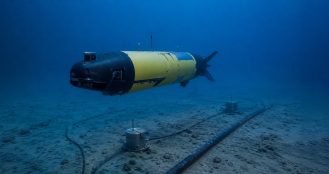
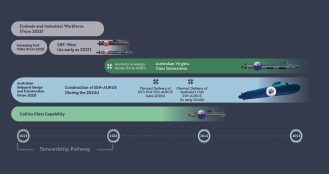
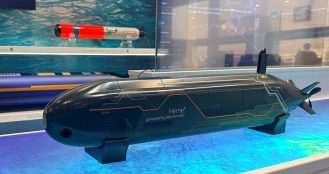
AUKUS Pillar 2 moves undersea autonomy closer to practical delivery
AUKUS Pillar 2 moves undersea autonomy closer to practical delivery
AUKUS faces an industrial test as delivery risks intensify
Defence procurement shifts toward proven, integrated and operationally ready technologies
Defence ambition now depends on funding, procurement speed and capability
Defence procurement reform is reshaping readiness, investment and industrial competition
Military IFF modernisation is becoming critical to secure, interoperable defence operations
Defence demand rises, but delivery capacity now defines competitive advantage
Defence readiness now depends on resilient supply chains and scalable delivery
Defence demand rising, but execution and production capacity constrain delivery
UDT 2026 highlights shift to undersea capability delivery and integration
Undersea defence shifts from concept to deployable, integrated capability
UDT 2026 day two: speed, autonomy and AUKUS shape defence
UDT 2026 update: maritime conflict reshapes undersea defence priorities
UDT 2026 day one highlights: subsea threats reshape defence priorities
UK defence demand rises; infrastructure protection, AI, undersea capability drive challenges
Conflict-driven demand surges expose defence production limits and supply constraints
Production limits, drone threats, and supply chains reshape defence priorities.
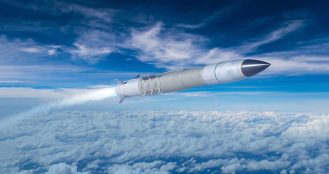
Hypersonic missile defence is accelerating as nations counter next-generation threats
The global Military Artificial Intelligence (AI) Systems market is projected to grow at a CAGR of 12% by 2036
Middle East missile campaigns expose interceptor shortages and accelerate missile defence production investment.